The End of Personal Car Ownership?
Autonomous vehicles may transform how we move. But should convenience replace the freedom to own and drive?
Autonomous vehicles may transform how we move. But should convenience replace the freedom to own and drive?
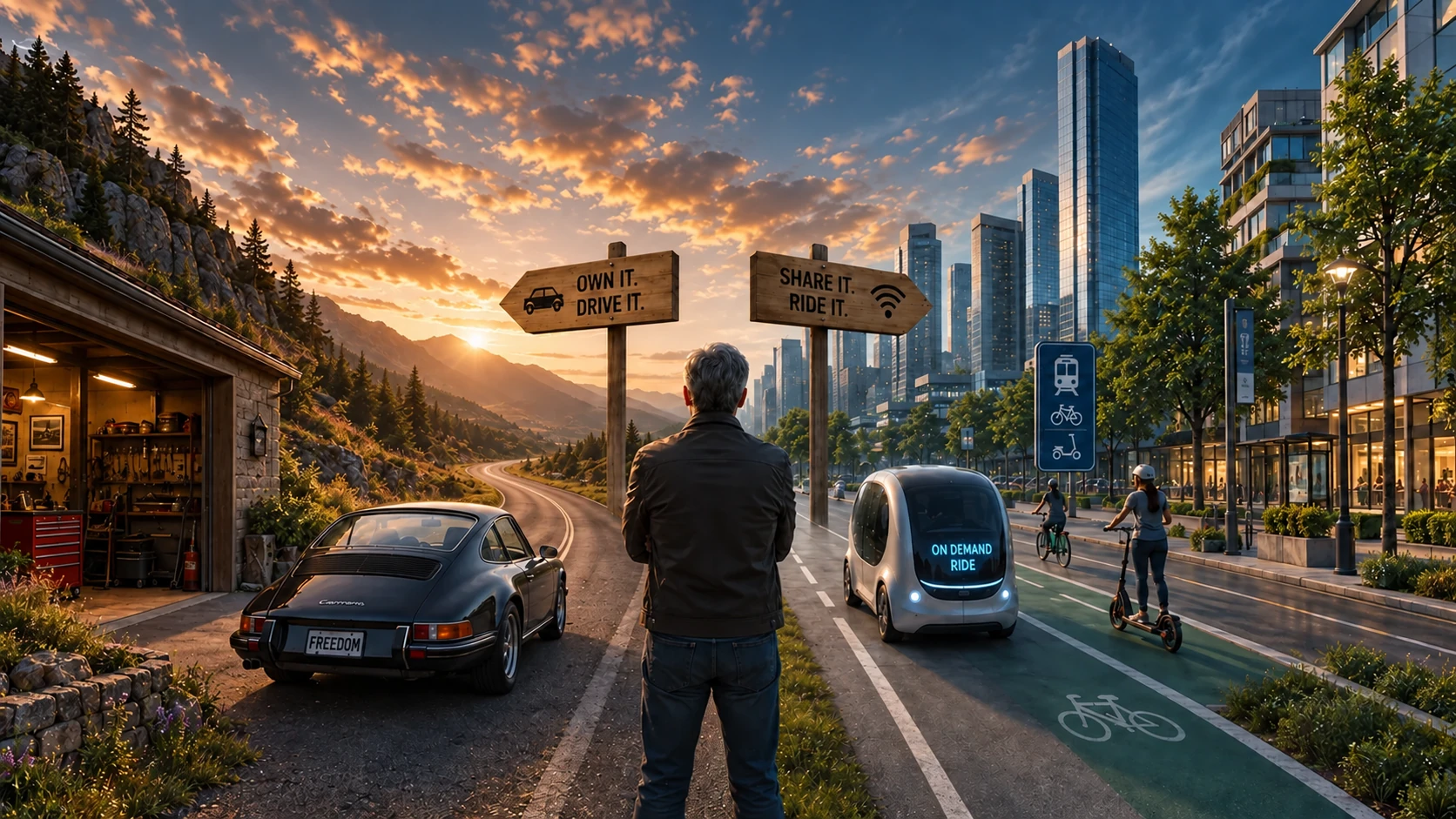
I recently came across a prediction from within the ride-hailing industry that, over the next 15 to 20 years, personal car ownership—and perhaps even the need for a driver’s license—could become far less common. In that vision, autonomous vehicles, public transportation, bicycles, and scooters would handle much of our everyday mobility. Instead of buying a car, maintaining it, insuring it, and parking it, we would simply request transportation when we need it.
That prediction caught my attention.
I have been involved with automobiles for most of my life. To me, the automobile has always represented far more than transportation. In America especially, the car has long symbolized mobility, independence, opportunity, and personal freedom. It allowed people to live farther from work, explore beyond the reach of a railway line, visit family on their own schedule, and build businesses in places that would otherwise have been difficult to reach.
So when people say that private car ownership may eventually disappear, I do not hear only a forecast about technology. I hear a much larger question about how we want to live.
There is little doubt that autonomous vehicles will become an increasingly important part of our transportation future. The potential benefits are significant.
For older people who no longer feel comfortable driving, an autonomous vehicle could preserve mobility and independence. For someone with a disability, it could open opportunities that are currently difficult or impossible. In congested cities, coordinated vehicles could provide convenient transportation without requiring every resident to own a car.
Autonomous technology may also improve safety. Human drivers become tired, distracted, impatient, or impaired. A well-developed automated system does not look at its phone, react emotionally to another driver, or take an unnecessary risk because it is running late. If the technology delivers on its promise, fewer people could be injured or killed on the road.
Those are meaningful advantages. We should not reject them simply because the automobile has played an important role in our past. But accepting a useful new option is not the same as agreeing that it should replace every existing one.
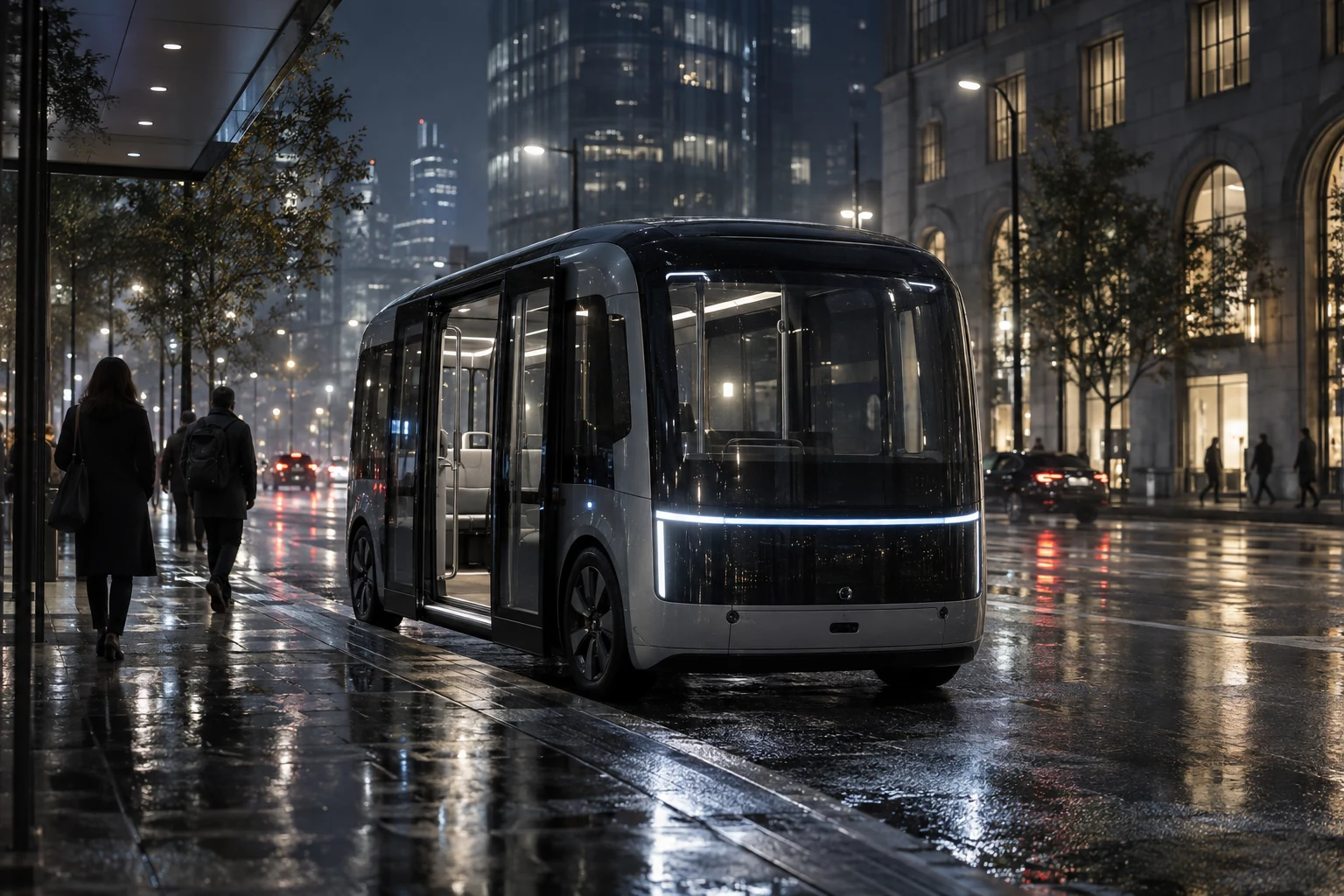
America is a vast and varied country. What works extremely well in Manhattan, Miami, or downtown Nashville may make little sense in rural Tennessee, Montana, Wyoming, or thousands of smaller communities.
In a dense city, it may be practical to combine public transportation, walking, cycling, and on-demand autonomous vehicles. Elsewhere, people travel longer distances, carry equipment, tow trailers, drive on unpaved roads, or live far from the services they use every day. Their vehicle is not an occasional convenience. It is part of how their household or business functions.
Weather matters. Infrastructure matters. Local economics matter. A transportation model designed around a wealthy urban center cannot automatically be treated as the answer for every region and every family.
No single system can serve everyone equally well. The future should recognize these differences rather than forcing people into one model of mobility.
The argument against car ownership is usually presented as a calculation. A privately owned car spends much of its time parked. It costs money to purchase, insure, fuel, service, and store. From a purely practical perspective, paying only for the journeys you take can appear more efficient.
But people do not make every important decision on efficiency alone.
We own watches when a phone can tell the time. We keep books, tools, musical instruments, and works of art because ownership creates a relationship that temporary access does not.
A car can be part of that same relationship. We choose its color, specification, and character. We become familiar with the way it feels, sounds, and responds. It carries the evidence of family trips, daily routines, memorable drives, and important stages of life. For many people, the car is not simply an appliance waiting to be optimized. It is personal.
That is especially true for enthusiasts. Driving a machine you understand and care for is fundamentally different from being transported in an anonymous vehicle selected by an algorithm.
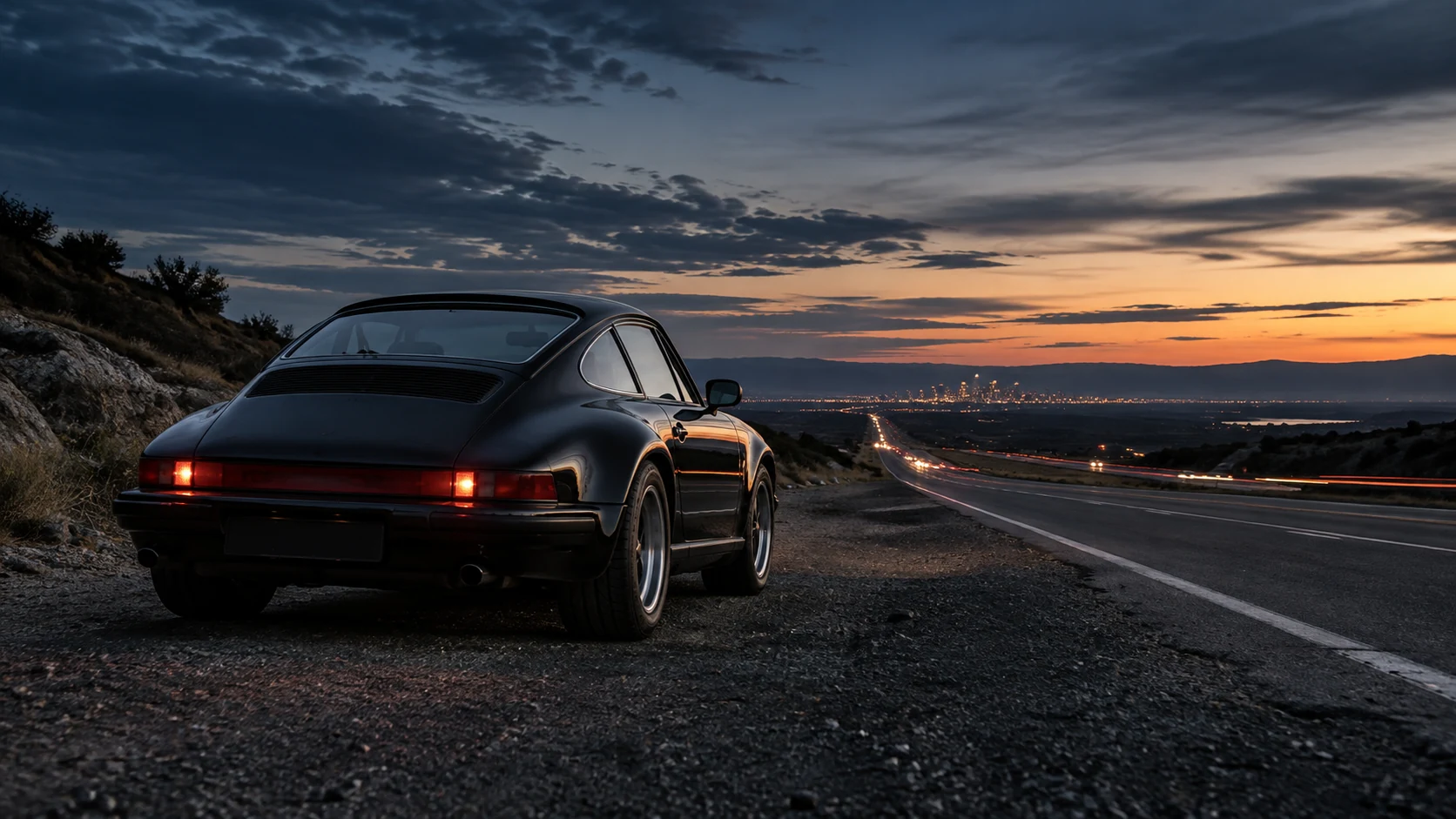
Modern cars are becoming increasingly expensive and technologically complex. Software and electronics now control nearly every function, from engine management and driver assistance to entertainment, navigation, and access.
This progress brings extraordinary capability, but it also changes the relationship between the owner and the vehicle. When essential functions depend on software, subscriptions, remote services, or manufacturer authorization, what does ownership actually mean? Can the owner repair the car, modify it, keep it operating for decades, or transfer every feature to the next buyer? Or does the manufacturer retain a form of control long after the sale?
The same question applies to autonomous transportation. A vehicle summoned through a platform is convenient, but the passenger depends on that platform’s availability, pricing, geographic coverage, rules, and technical systems. If the service is interrupted or unavailable in a particular area, the passenger has fewer alternatives.
Convenience can create dependence very quietly. We often notice what a new technology gives us before we consider what choices it may remove.
The discussion is often framed as a contest between the future and the past: autonomous vehicles or human drivers, access or ownership, technology or tradition.
I do not believe it needs to be one or the other.
Perhaps 20 years from now, many people will happily summon an autonomous vehicle rather than own one. For commuters in crowded cities, that may be the most sensible choice. Families may use autonomous transportation for certain journeys while keeping one privately owned vehicle for others. Older drivers may gain years of additional independence. I may even use an autonomous vehicle myself when it is safer or more convenient.
At the same time, others will continue to value the freedom, privacy, flexibility, and pleasure that come with owning and driving their own car. Both choices can exist.
Government and industry should focus on making new technology safe, accessible, and useful—not on using it as a reason to make traditional ownership unnecessarily difficult. We should be careful about policies that assume the disappearance of the private automobile before people have freely chosen to leave it behind.
A technology has truly succeeded when people adopt it because it offers something better, not because every alternative has been removed.
The automobile changed society because it gave ordinary people control over when and where they could travel. Autonomous vehicles may create another transformation, and much of it could be beneficial. We should welcome innovation that improves safety, expands mobility, and gives people new possibilities.
But progress should mean more choices, not fewer.
The central question is not whether autonomous vehicles are coming. They are. The question is whether their arrival will broaden personal mobility or gradually narrow it into a service controlled by a small number of companies and systems.
I would like a future in which someone who does not want to drive can travel safely and independently. I would also like a future in which someone who loves driving can still choose, own, maintain, and enjoy a car.
Perhaps one day I will use an autonomous vehicle to cross a busy city, avoid difficult weather, or travel when I no longer wish to drive. I can appreciate that possibility.
But I would still like the option to walk into my garage, grab the keys, and drive my own car.
Would you?
What say you?
— Ralf G. Bahr
Published 25 September 2026. Market observations reflect the time of writing. For a purchase decision, request the individual car’s current records and an independent inspection.
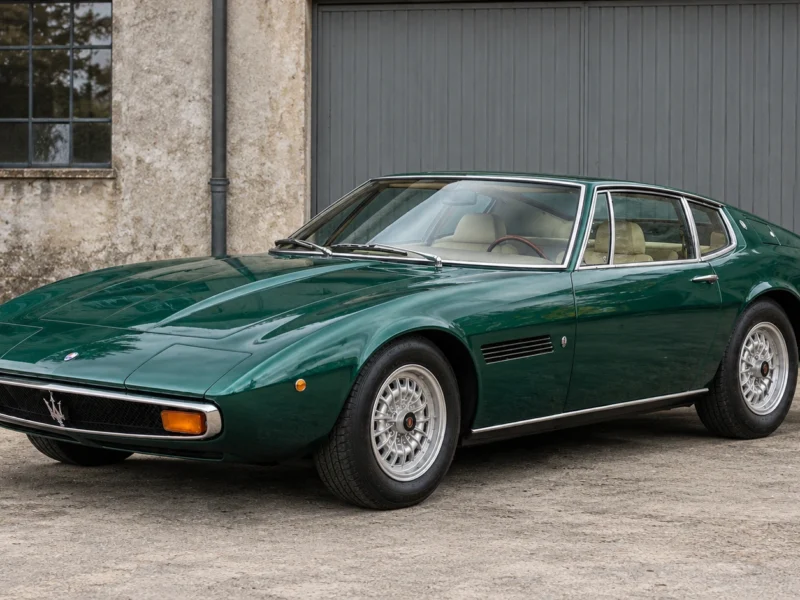
Why condition, originality, provenance, documentation and realistic pricing matter in a more discerning collector-car market.
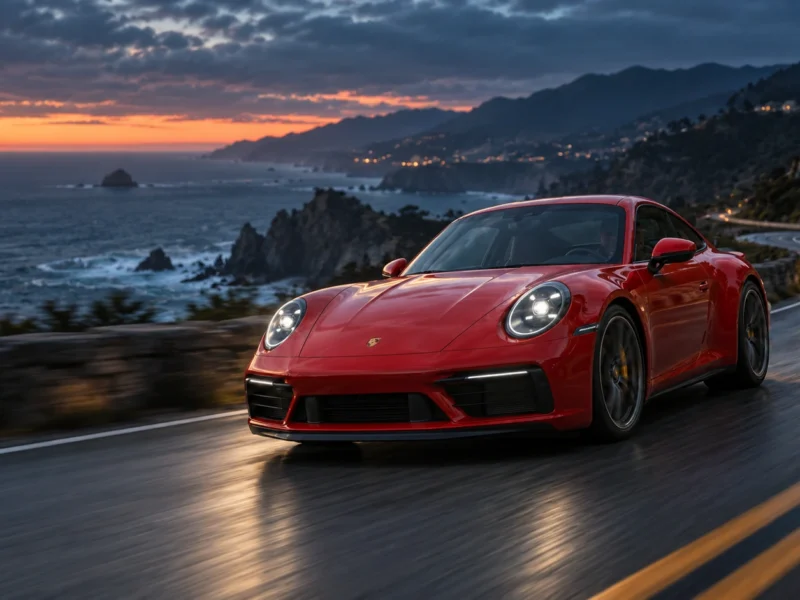
Ralf G. Bahr welcomes Porsche’s continued investment in gasoline engines—and a future that gives drivers meaningful choice.
Your privacy choices
Optional Google Analytics helps us understand how the site is used. It stays off unless you allow it. Read our privacy policy.
