The Collector Car Market Is Becoming More Selective
Why condition, originality, provenance, documentation and realistic pricing matter in a more discerning collector-car market.
Why condition, originality, provenance, documentation and realistic pricing matter in a more discerning collector-car market.
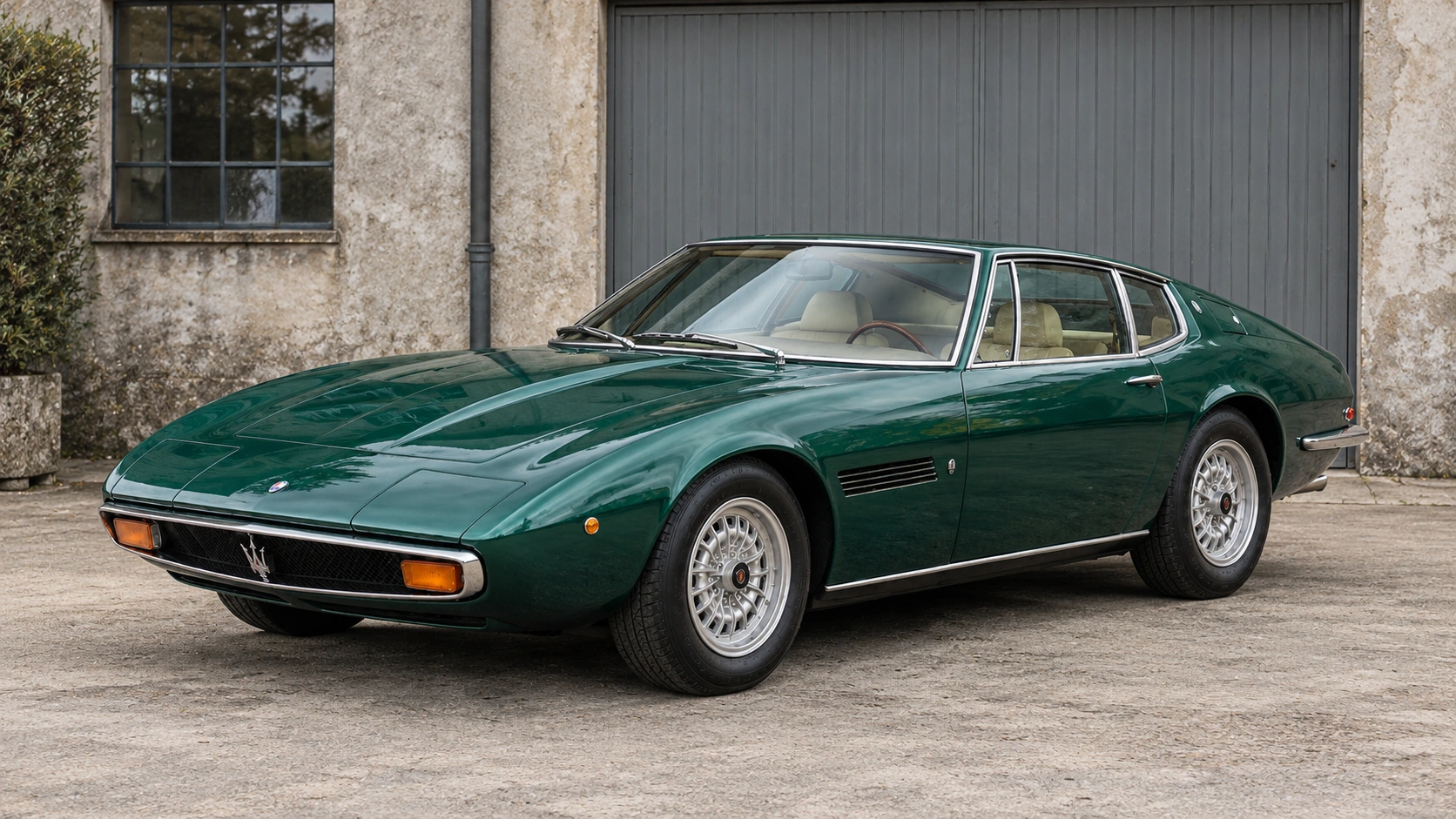
The collector-car market remains active, but it has evolved. Buyers have not disappeared, and demand for important automobiles remains strong. What has changed is the level of selectivity.
A few years ago, rapidly rising prices prompted buyers to act quickly. Today, collectors are taking more time, comparing more cars and examining details before committing. They are paying closer attention to condition, originality, provenance, documentation and price.
Recent market data supports this development. In the first half of 2026, the average collector-car sale price rose substantially, while the median price changed very little. This suggests that exceptional cars are achieving impressive results, but the market as a whole is not rising at the same pace.
The market is not weak. It is becoming more discerning and disciplined.
Two cars may appear nearly identical in an advertisement. They can share the same year, model, and color, yet their market values may differ significantly.
An exceptional car usually combines several important qualities:
An average car may still be attractive and enjoyable, but it could have incomplete records, incorrect components, cosmetic deterioration, an older restoration, or modifications that are difficult to document.
The difference is not always visible in photographs. A freshly detailed car can look good online while still having mechanical, structural, or historical concerns. Conversely, an honest, largely original car may show normal signs of age yet be more valuable to an informed collector.
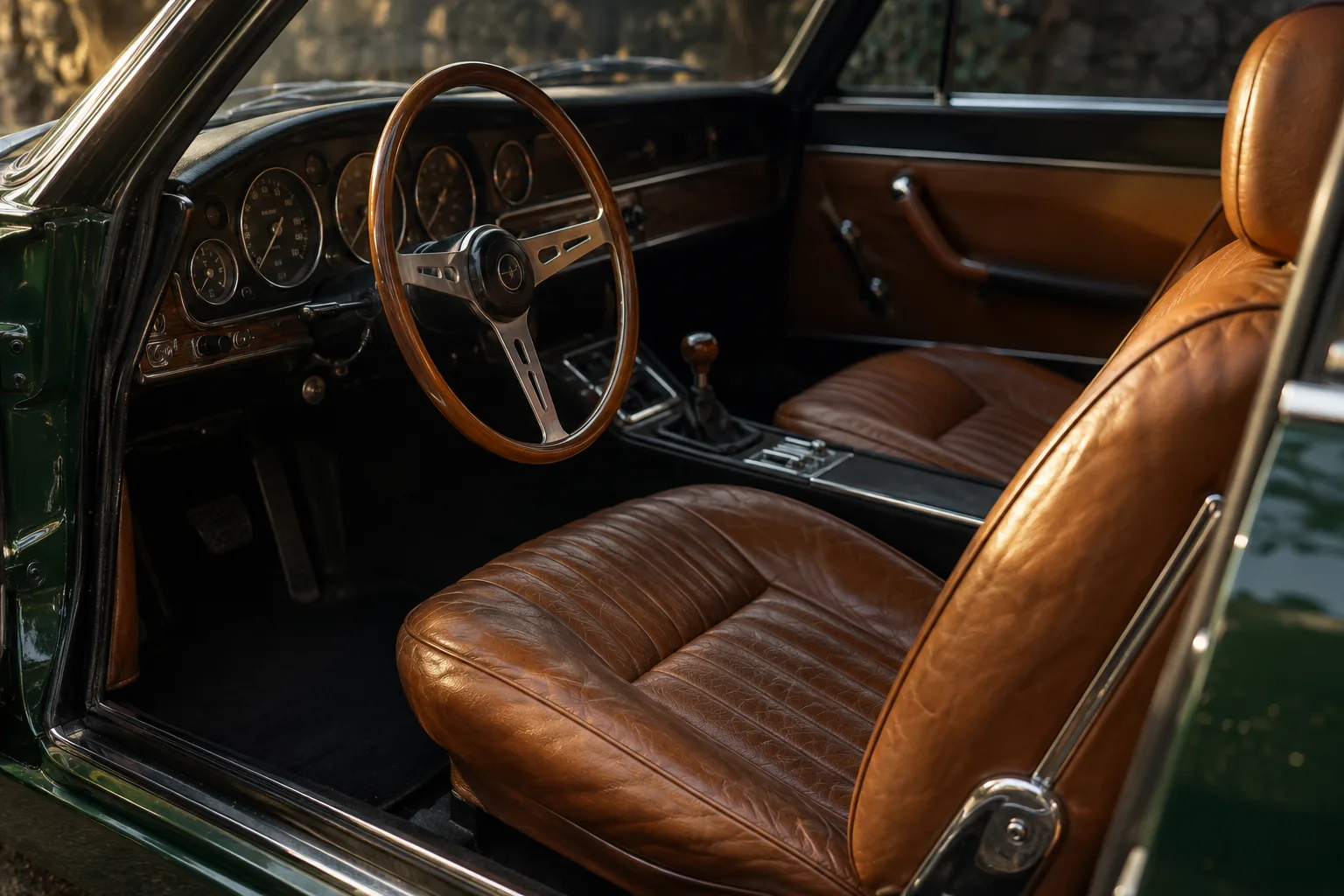
This is why knowledgeable buyers look beyond polished paint and attractive photography.
Collector cars are emotional purchases, but they are also significant financial decisions. Buyers now have access to auction results, valuation platforms, inspection services, and historical data from around the world.
Online auctions have made the market more transparent. A buyer can study comparable sales, review previous listings, and sometimes discover that a car was recently offered at a substantially different price.
This information has made buyers more careful. They want to understand why one car commands a premium over another. Descriptions such as “rare,” “original,” or “investment quality” are no longer sufficient without supporting evidence.
There is also more inventory competing for attention. If one car has unanswered questions while another is thoroughly documented, the better-documented example typically attracts stronger interest.
A professional pre-purchase inspection is one of the most valuable steps in a collector-car transaction.
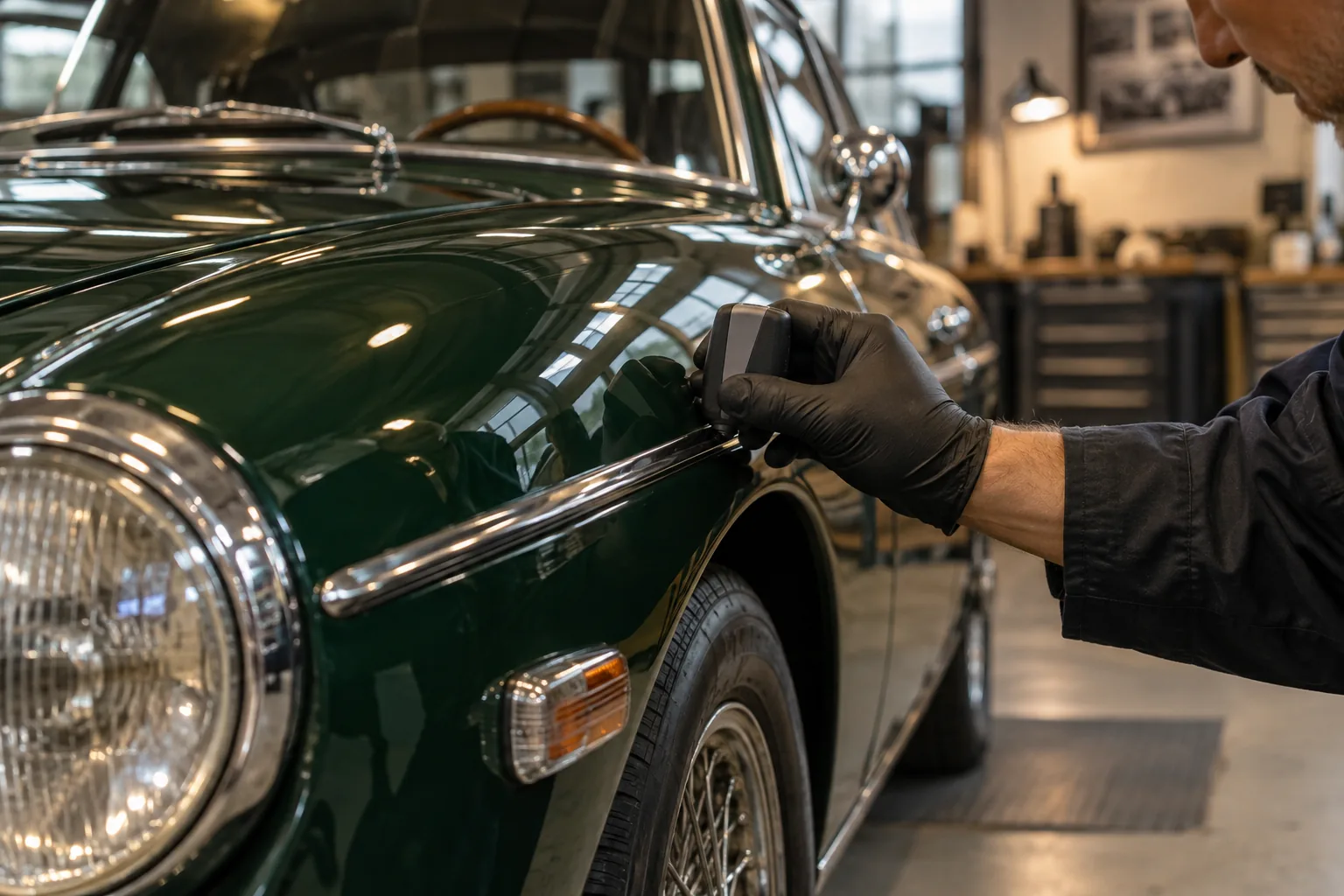
An inspection can help establish the condition of the body, chassis, drivetrain, suspension, brakes, and electrical system. Paint-thickness readings may reveal repainting or prior body repairs. Engine and transmission numbers can also be compared with available factory records.
Important documentation may include:
Documentation does not make an imperfect car perfect. It allows a buyer to understand what the car is, what has been done to it, and how it should be valued.
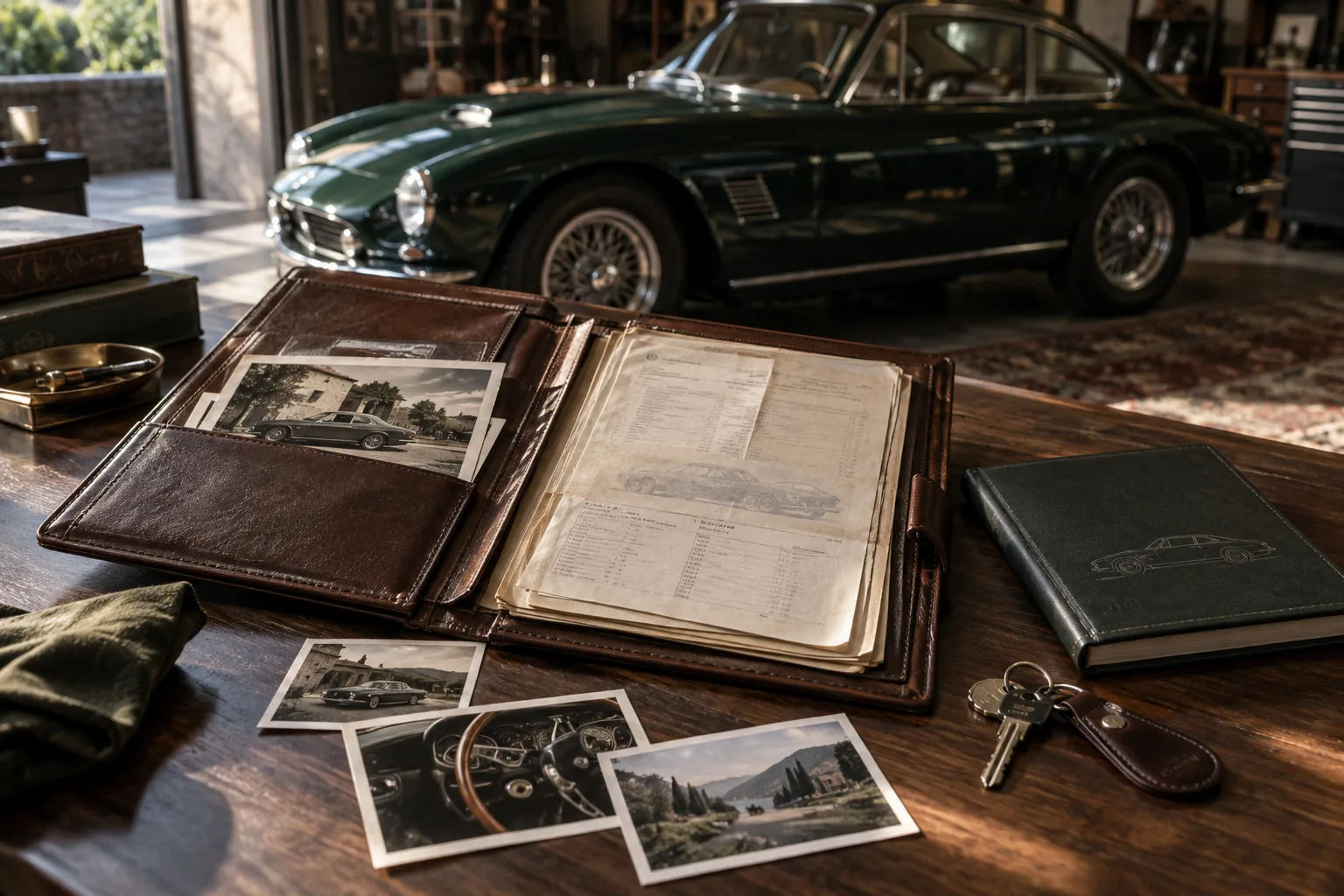
For historically significant or competition cars, the documentation can be as important as the automobile itself.
One of the most common mistakes in the collector-car business is treating advertised asking prices as proof of value.
An asking price reflects what a seller hopes to receive. It does not confirm what a buyer is prepared to pay. Some vehicles remain listed for months or years because their prices are based on expectations rather than completed transactions.
Market value is better determined by a combination of recent sales, condition, specifications, provenance, current competition, and buyer demand. Auction estimates and unsuccessful high bids can provide information, but they are not final sales.
Even published price guides must be placed in context. No guide can fully account for every color combination, restoration, modification, or ownership history.
The encouraging news is that serious buyers remain active.
A well-presented car with strong documentation and an asking price aligned with the market can still attract qualified interest. Accurately priced cars often sell more efficiently because buyers recognize the relationship between quality and value.
An unrealistic price can undermine the marketing process. The car becomes familiar, advertisements grow stale, and potential buyers begin to wonder why it has not sold. Pricing correctly from the beginning often produces better results than starting too high and making repeated reductions.
RGB Motors evaluates each automobile individually. We review its specifications, ownership history, originality, mileage, condition, documentation, modifications, and current market competition.
We compare completed transactions—not just advertised prices—and consider which buyers are most likely to appreciate the car.
The collector market does not reward rarity alone. It rewards quality, transparency, and confidence. In today’s selective market, those qualities make the difference.
Market data reference: CLASSIC.COM · 2026 Half-Time Report.
Published 7 October 2026. Market observations reflect the time of writing. For a purchase decision, request the individual car’s current records and an independent inspection.

Ralf G. Bahr welcomes Porsche’s continued investment in gasoline engines—and a future that gives drivers meaningful choice.
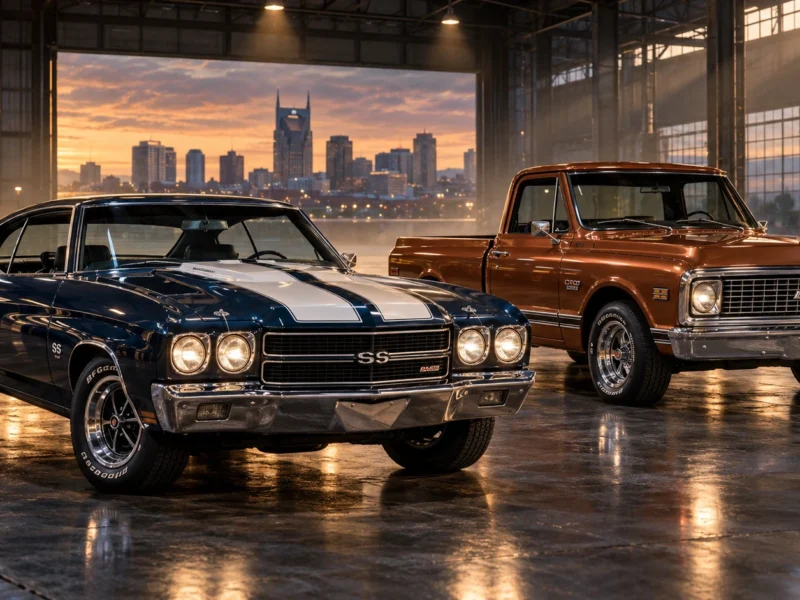
Five days at Nashville Superspeedway offered a firsthand view of buyer interest in Mustangs, Camaros, Chevelles and vintage Chevrolet trucks.
Your privacy choices
Optional Google Analytics helps us understand how the site is used. It stays off unless you allow it. Read our privacy policy.
