Why I Welcome Porsche’s Renewed Commitment to Gasoline Engines
Ralf G. Bahr welcomes Porsche’s continued investment in gasoline engines—and a future that gives drivers meaningful choice.
Ralf G. Bahr welcomes Porsche’s continued investment in gasoline engines—and a future that gives drivers meaningful choice.
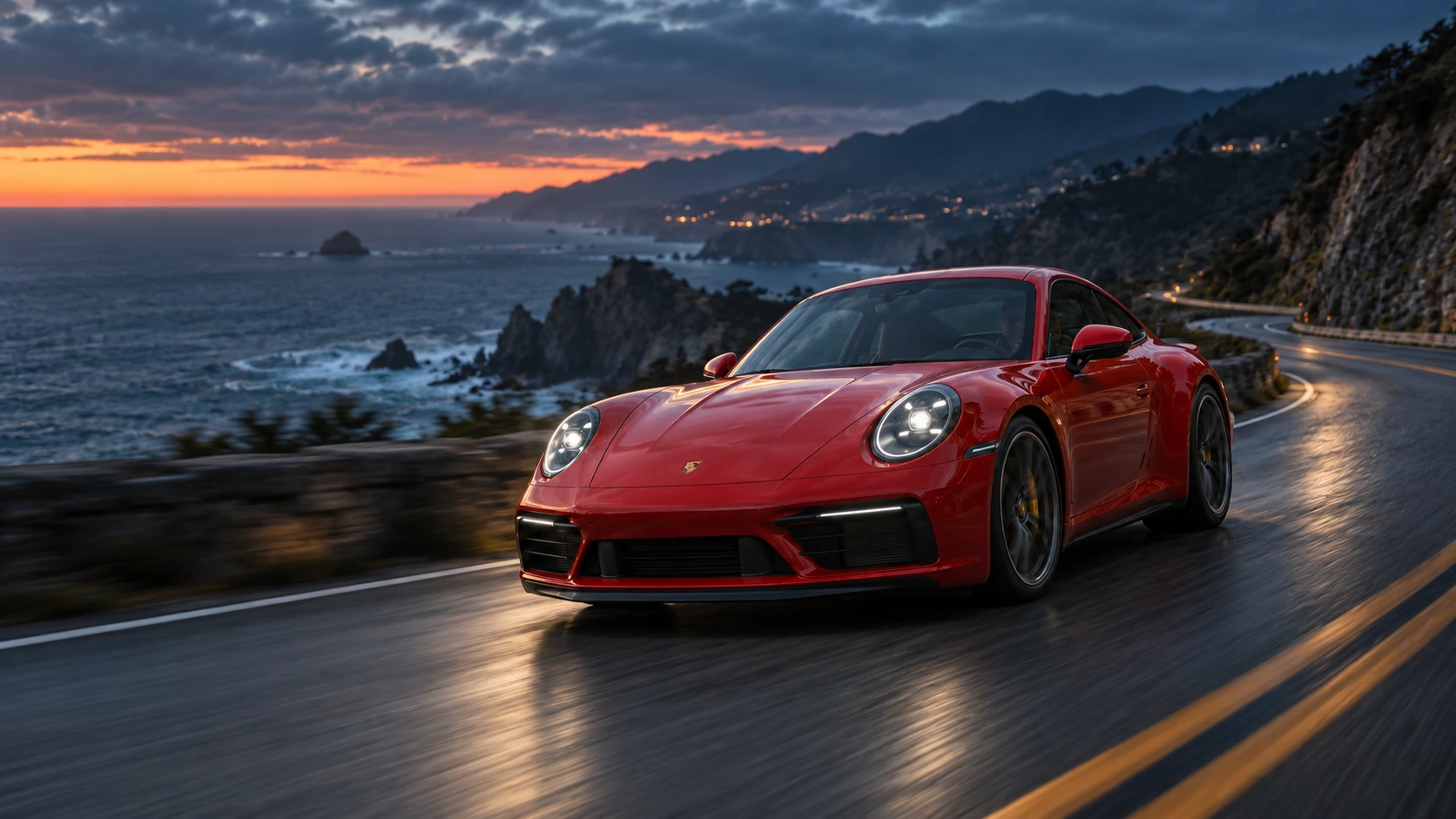
Porsche’s decision to strengthen its commitment to gasoline engines is one I welcome. For a company whose appeal rests heavily on the relationship between car and driver, keeping combustion engines central to its future is sensible. Electric technology deserves a place in Porsche’s lineup, but customers should have meaningful choices that reflect how they drive and what they value.
The factory announced a realignment of its product strategy on September 19, 2025. It confirmed plans to add combustion-engine models, extend the availability of existing combustion models, and include successor generations in its planning. Porsche also said the Panamera and Cayenne would remain available with combustion engines and plug-in hybrids well into the 2030s. [1]
Another significant decision concerned the new SUV positioned above the Cayenne. Originally intended to be fully electric, it was instead planned to launch initially with combustion and plug-in hybrid powertrains. Porsche also announced delays to certain future electric projects in response to slower demand growth. [1]
At its annual press conference on March 11, 2026, Porsche reaffirmed its commitment to a mix of powertrain types. The company explained that the Cayenne Electric complements the existing combustion and plug-in hybrid versions. The renewed emphasis on gasoline engines remains part of a strategy that includes electric cars. [2]
My connection with Porsche began with my first used Porsche in 1971. I remember the excitement around Porsche’s speed and acceleration in the mid-seventies. In 1978, I drove one of the early Porsche 930 Turbos and experienced its performance firsthand. That memory remains part of my enthusiasm for Porsche more than forty years later and helps explain why I welcome the company’s renewed commitment to gasoline engines.
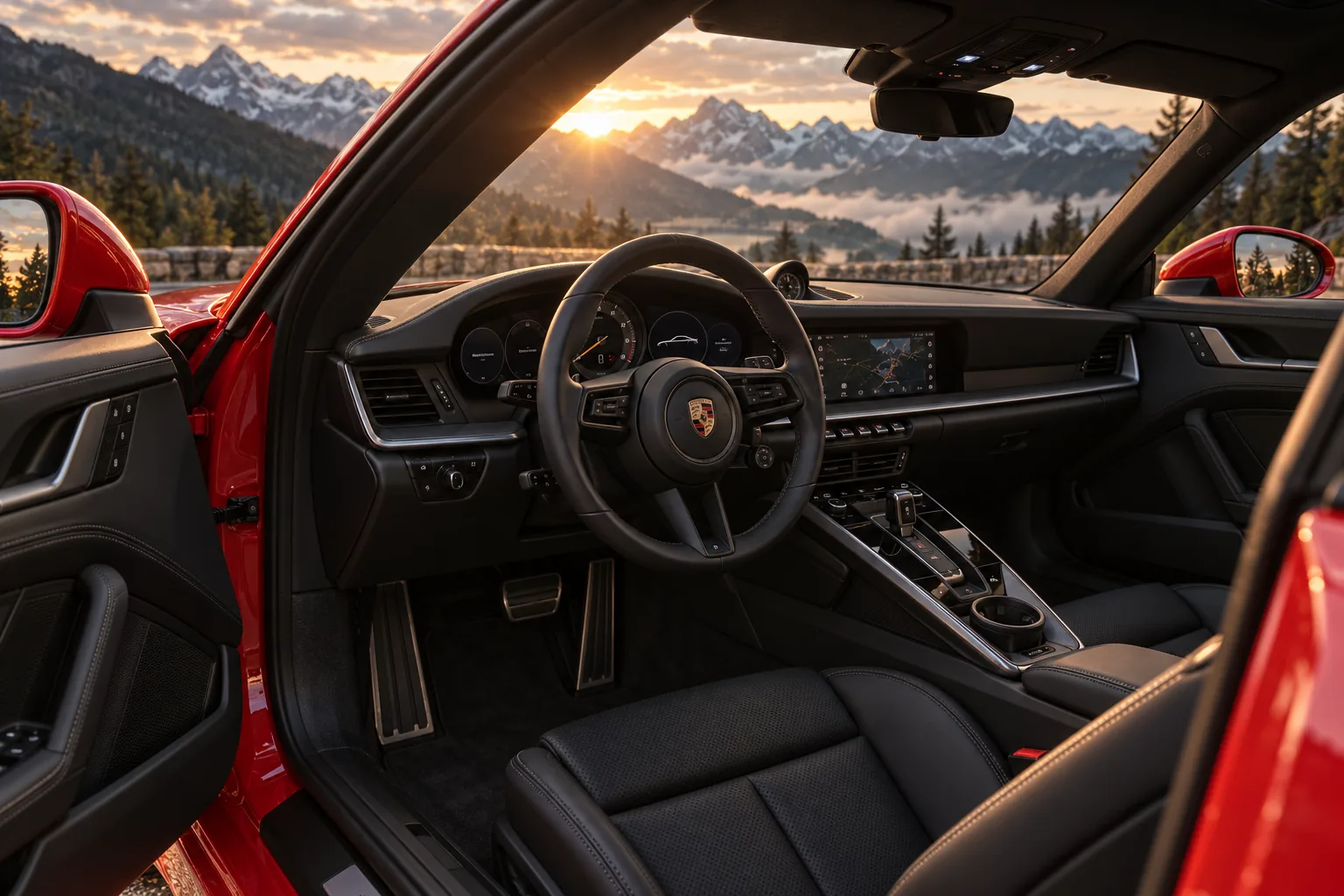
For me, a sports car is much more than a set of performance figures. Acceleration matters, but so do throttle response, steering feel, balance, and how a car communicates as the road changes. The sound of an engine and its progression through the rev range can become part of the experience. Those qualities explain my enduring attachment to gasoline-powered Porsches.
An electric Porsche can offer an impressive experience of its own. I have no interest in dismissing engineering progress. My concern is whether a manufacturer leaves enough room for different preferences. A driver who enjoys electric propulsion and an enthusiast who wants a combustion engine should both find something appealing in the showroom.
Buying decisions also involve practical considerations. Access to charging, travel patterns, and intended use vary considerably. A car used for short daily trips faces different demands than one used for long touring trips. Buyers deserve to judge those differences against their own circumstances, rather than have one solution treated as suitable for everyone.
I support a strategy built on choice. Manufacturers can invest in new technology while continuing to improve the engines customers still want. For Porsche, the challenge is to make each option worthy of the badge. The driving experience should remain compelling whether the power comes from gasoline, a battery, or a combination of the two.
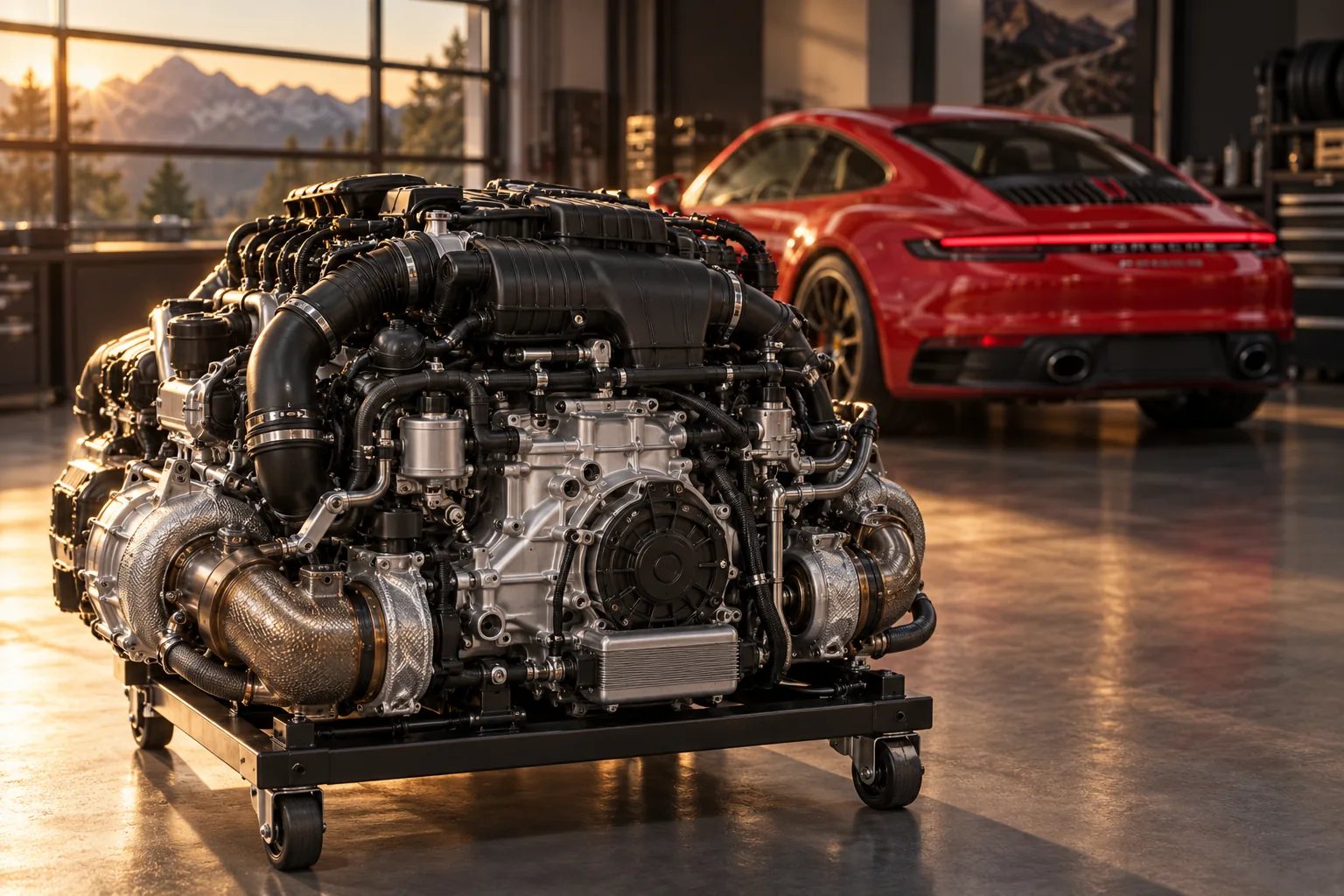
Porsche’s announcement acknowledged slower-than-expected growth in electric mobility, along with pressures in China and US import tariffs. I read the adjustment as a willingness to respond to market conditions. Listening to customers and revising a plan when its assumptions change are, in my view, necessary for a durable business. [1]
Keeping gasoline engines in the lineup still requires investment and attention to emissions requirements. Those responsibilities matter. So does the emotional connection that draws people to a sports-car brand. A familiar engine note can evoke a journey, a circuit, or an afternoon behind the wheel. I believe that connection deserves a place in decisions about future models.
For collectors, I would resist interpreting this announcement as a prediction of rising values. Condition, authenticity, provenance, and documentation remain essential when assessing an individual car. What I welcome is Porsche’s opportunity to carry its combustion-engine expertise forward, enabling future buyers to understand why generations of enthusiasts have become attached to these cars. That choice matters.
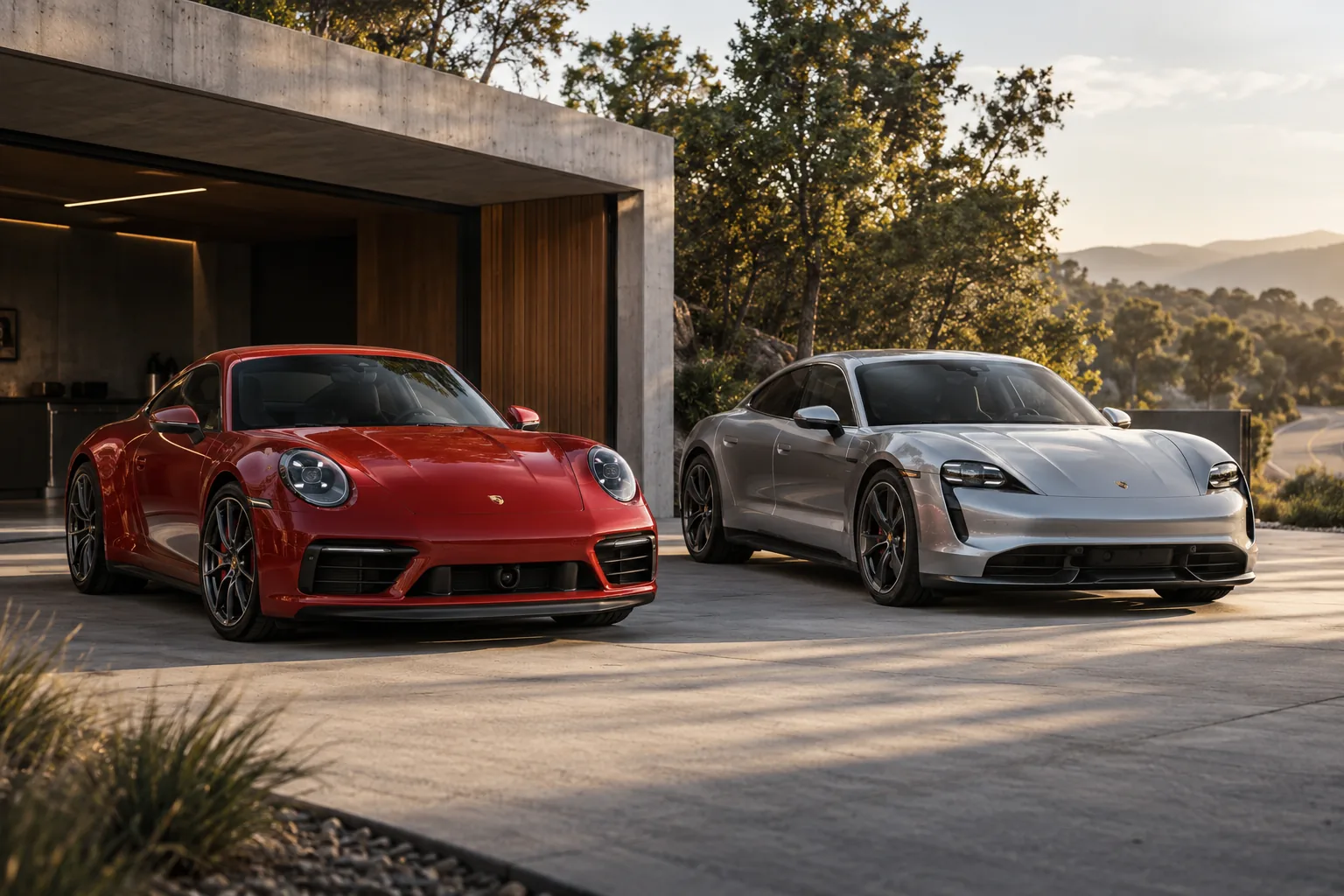
What do you think? Do you welcome Porsche’s renewed emphasis on gasoline engines, or would you prefer a faster shift toward electric models? Which type of Porsche would you choose, and why? I welcome your thoughts at rgb@rgbmotors.com.
Ralf G. Bahr is the principal of RGB Motors, an independent automotive brokerage based in Greater Nashville, Tennessee, specializing in Porsche and select classic and sports cars. rgbmotors.com
Published 7 October 2026. Market observations reflect the time of writing. For a purchase decision, request the individual car’s current records and an independent inspection.
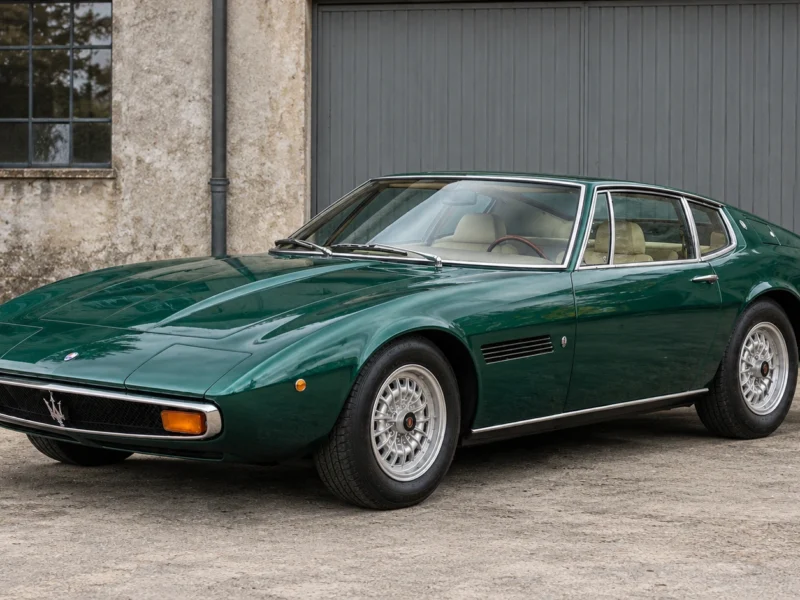
Why condition, originality, provenance, documentation and realistic pricing matter in a more discerning collector-car market.
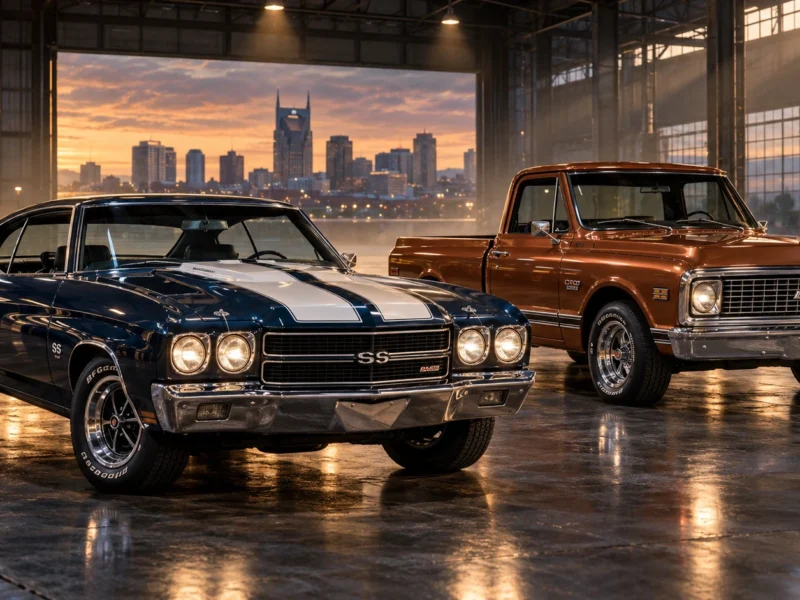
Five days at Nashville Superspeedway offered a firsthand view of buyer interest in Mustangs, Camaros, Chevelles and vintage Chevrolet trucks.
Your privacy choices
Optional Google Analytics helps us understand how the site is used. It stays off unless you allow it. Read our privacy policy.
